
Is AI interior design any good? Yes, but mainly as an early ideas tool rather than a final renovation plan. In a real room makeover test, AI can quickly show convincing style directions, colour palettes and furniture layouts, but it still needs human judgement for measurements, budget, lighting, materials, storage, safety and buildability.
The best use is simple: upload a clear room photo, generate several visual options, then treat the strongest result as a conversation starter before buying anything or booking trades. It can make a tired room feel easier to imagine, but it cannot fully understand how your home works day to day.
Key takeaways
- AI interior design is genuinely useful for fast visual ideas, especially at the start of a renovation.
- The most impressive outputs are usually style, mood, colour and broad furniture placement.
- The weakest areas are accurate scale, practical storage, real materials, lighting levels and construction detail.
- Use AI before a shopping trip, showroom visit or designer consultation, not instead of measuring and planning.
- For UK homes, always check sockets, radiators, windows, damp, ventilation and building work before committing money.
Our real room makeover test
For this test, we looked at a typical living room: usable but visually flat, with a neutral shell, mixed furniture and no clear design direction. It is exactly the kind of space where many homeowners think, “I know this could look better, but I do not know where to start.”
The aim was to see whether an AI makeover could produce useful renovation thinking: what to keep, what to change, which style routes felt believable, and where a human would still need to step in.
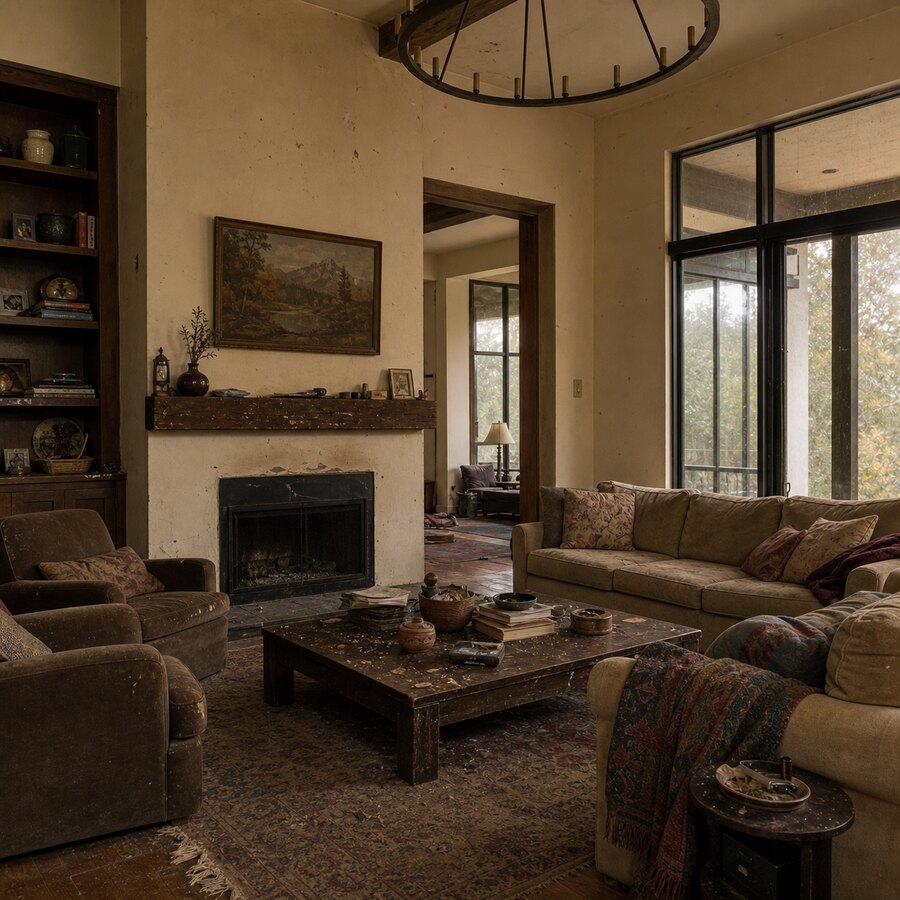
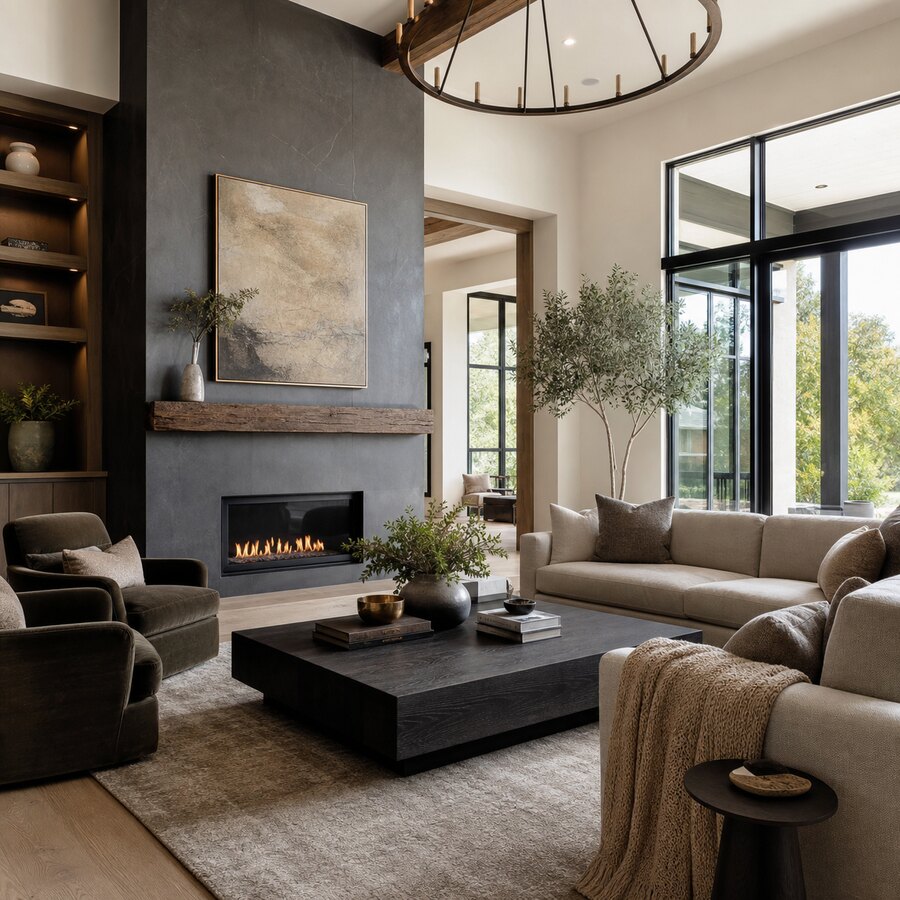
You can see more visual examples on our before and after gallery before deciding which direction feels right for your own space.
What looked impressive
1. It found a clearer style direction quickly
The strongest result was not that the AI made a “perfect” room. It was that it gave the room a more confident identity in seconds. The after image suggested warmer finishes, better visual rhythm and a more intentional living area. That is useful because many renovation projects stall before they begin: people know they dislike the current room, but they cannot picture an alternative clearly enough to act.
For early inspiration, this is where AI feels genuinely good. It can turn a plain space into several plausible directions: calm contemporary, warm minimalist, traditional, bold colour, or a higher-end hotel feel. That speed helps you compare options before paying for samples.
2. It made colour choices easier to discuss
Colour is one of the hardest things to judge from tiny swatches. AI visualisations are not colour-accurate enough to replace real samples, but they do help you discuss the mood of a room. In our test, the strongest output made the space feel warmer and more finished, while still keeping it broadly practical for a UK family home.
This is valuable because “beige”, “off-white”, “sage”, “charcoal” and “warm oak” can mean different things to different people. A visual concept gives homeowners, partners, decorators and designers a shared reference point. You still need real paint tests in the actual room, at different times of day, but the AI can narrow the first round of choices.
3. It suggested better focal points
A common problem in living rooms is that nothing tells the eye where to settle. The AI after concept made the room feel more composed by strengthening the main seating area and giving the space a clearer centre. Even when individual items are not exact products, the idea is useful: the room needs a focal point, better balance and fewer visual distractions.
That broad direction can save time. Instead of asking “What sofa should I buy?”, you can ask better questions: should the sofa face the fireplace, the TV, the garden view, or a conversation area? Should the rug define the sitting zone? AI is good at prompting these questions.
Where the AI still needed human judgement
1. Scale can be misleading
The biggest caution is scale. AI can make furniture look as if it fits, even when a real tape measure would say otherwise. A sofa might appear slimmer than it is, a coffee table might leave unrealistic walking space, and shelving may look elegant while blocking a door swing or radiator.
Before buying anything, measure the room properly. Note wall lengths, ceiling height, window positions, radiator depth, alcoves, sockets, door swings and traffic routes. In UK homes, especially terraces and period properties, a few centimetres can decide whether a layout is comfortable or irritating.
2. It does not understand your routines
A beautiful AI room may ignore how you actually live. Do you need toy storage, a dog bed, a home-working corner, blackout curtains, hidden chargers, a place for school bags, or a sofa that survives everyday use? AI can suggest a polished image, but it cannot reliably prioritise your routines unless you tell it in detail.
This is why the most useful AI prompts include lifestyle information. A prompt such as “warm modern living room with durable family-friendly furniture, hidden storage, no structural changes and a budget-conscious UK high-street feel” is far more practical than simply asking for “luxury interior design”.
3. Materials may not be realistic
AI often invents beautiful surfaces. The issue is not that they look bad; it is that they may not exist as affordable, available or suitable products. Timber grain, stone, tiles, plaster, metal finishes and upholstery can all look convincing in a generated image while being hard to source at the same price point.
Use the AI output as a materials direction, then translate it into real samples. For example, “warm oak effect”, “limewashed wall finish” or “matte off-white cabinetry” can become a shortlist of actual products. Do not assume the exact image can be replicated pound for pound.
4. Lighting needs real-world checking
AI interiors often look bright, even when the original room has poor daylight. It may add flattering ambient light, remove shadows or make a north-facing room feel sunnier than it is. That is good for inspiration but risky for decisions.
For a real makeover, check natural light, task lighting and evening lighting separately. A calm-looking AI image may still need layered lighting: ceiling lights, wall lights, table lamps and dimmers. If you are moving electrics, use a qualified professional.
When AI interior design is genuinely useful
AI is most useful before you have committed to a scheme. It can help you explore warm neutrals or deeper colours, open shelving or closed storage, a bold feature wall or a quieter background. It also helps households compare options without turning every decision into an abstract debate.
It is especially helpful for early renovation ideas when you are considering a room refresh rather than a full architectural redesign. Living rooms, bedrooms, home offices and dining rooms are good candidates. Kitchens and bathrooms can benefit visually, but plumbing, extraction, electrics, waterproofing and product dimensions need more care.
If you want to test your own room before spending money, you can try the AI studio and use the output as a planning reference, not a finished specification. It also helps to review the available room makeover features and pricing before deciding how many concepts you want to generate.
When you should be cautious
Be careful if the room involves structural work, damp, poor ventilation, electrical changes, gas appliances, stairs, fire safety or major plumbing. AI images do not replace surveys, drawings, building regulations, professional design work or trade quotes. They also cannot reliably tell whether a wall can be removed, whether a floor can take extra load, or whether a layout is safe.
For larger projects, the best workflow is to use AI for mood and direction, then move into measured drawings, product schedules, samples and professional advice. That keeps the creative speed without letting a pretty image override practical constraints.
How to get better AI room makeover results
The quality of the input matters. Use a bright, tidy photo taken from a corner or doorway, with as much of the room visible as possible. Avoid extreme wide-angle distortion if you can. Then write a prompt that explains the outcome you want, the things that must stay, and the practical limits.
A useful prompt might say: “Redesign this UK living room in a warm contemporary style. Keep the window, fireplace and main sofa position. Add hidden storage, layered lighting, a durable rug and a calm neutral palette. Avoid structural changes and keep the result achievable on a mid-range budget.”
Generate more than one option. The first result may be dramatic but unrealistic; the second or third may be more useful. Save the strongest images and list the design ideas that repeat across the best versions.
Verdict: is AI interior design any good?
For early inspiration, yes. AI interior design is good when you need to see possibilities quickly, compare styles, discuss a room with someone else, or build confidence before a renovation. It is less good when you need accuracy, sourcing, technical detail or a plan that builders can follow.
The right expectation is important. Treat AI as a visual sketchbook: fast, flexible and sometimes surprisingly persuasive. Then bring in human judgement for measurements, budgets, materials, safety and the real compromises of a lived-in home. Used that way, it can be a genuinely helpful first step rather than a gimmick.
FAQ
Is AI interior design accurate?
AI interior design can be visually convincing, but it is not fully accurate. It may misjudge scale, furniture dimensions, lighting, material availability and construction constraints, so you should always measure the room and check real products before buying.
Can AI replace an interior designer?
For most serious renovation projects, no. AI can help with ideas and mood, but an interior designer adds measured planning, sourcing, detail, supplier knowledge and judgement about how a space will work in real life.
What rooms work best for AI makeovers?
Living rooms, bedrooms, home offices and dining rooms usually work well because they are more flexible. Kitchens and bathrooms can still be explored visually, but plumbing, electrics, extraction and fitted dimensions need professional checking.
How should I use an AI room design before renovating?
Use it to compare style directions, colours, focal points and broad layouts. Then make a checklist for measurements, budget, products, samples, lighting, storage, trade work and any building regulation issues.
Is AI interior design worth paying for?
It can be worth paying a small amount if it helps you avoid a poor design direction or clarify what you want before spending hundreds or thousands of pounds. It is not worth treating as a complete renovation plan on its own.