Short answer: I used AI to redesign a small UK living room by uploading a plain before photo, asking for a brighter and more practical version, then checking the result against real-life constraints such as room size, lighting, storage and budget. The best ideas were not fantasy renovation tricks; they were simple changes to furniture scale, colour, layout and layered lighting that could work in many compact UK homes.
If you are searching for AI redesign small UK living room ideas, the useful lesson is this: AI can help you see what your room could become before you buy paint, a sofa or storage. But the after image only becomes useful when you translate it into measured, practical decisions.
Key takeaways
- AI is strongest at showing layout, colour and mood options quickly.
- A small UK living room usually improves most when the furniture is slimmer, storage is calmer and lighting is warmer.
- The best before photo is taken in daylight from a corner, with the floor, windows and main furniture visible.
- Do not copy an AI image blindly. Check measurements, radiator positions, sockets, door swings and delivery access.
- Use AI as a design preview, then turn the ideas into a realistic shopping and decorating plan.
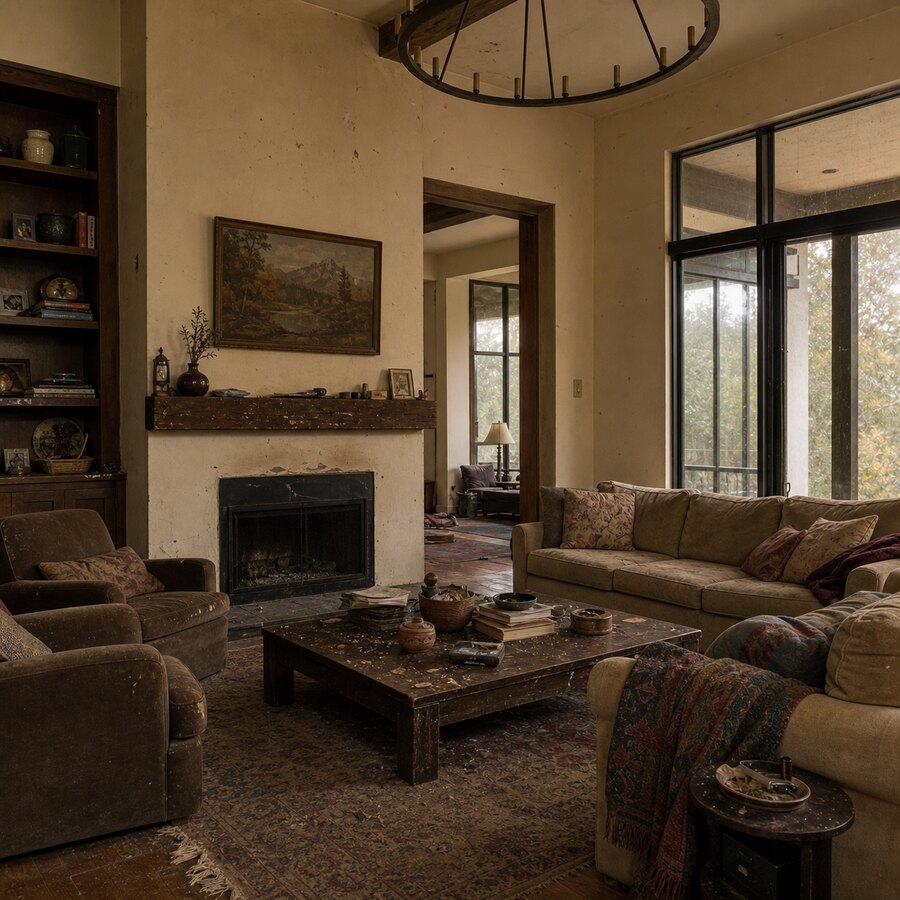
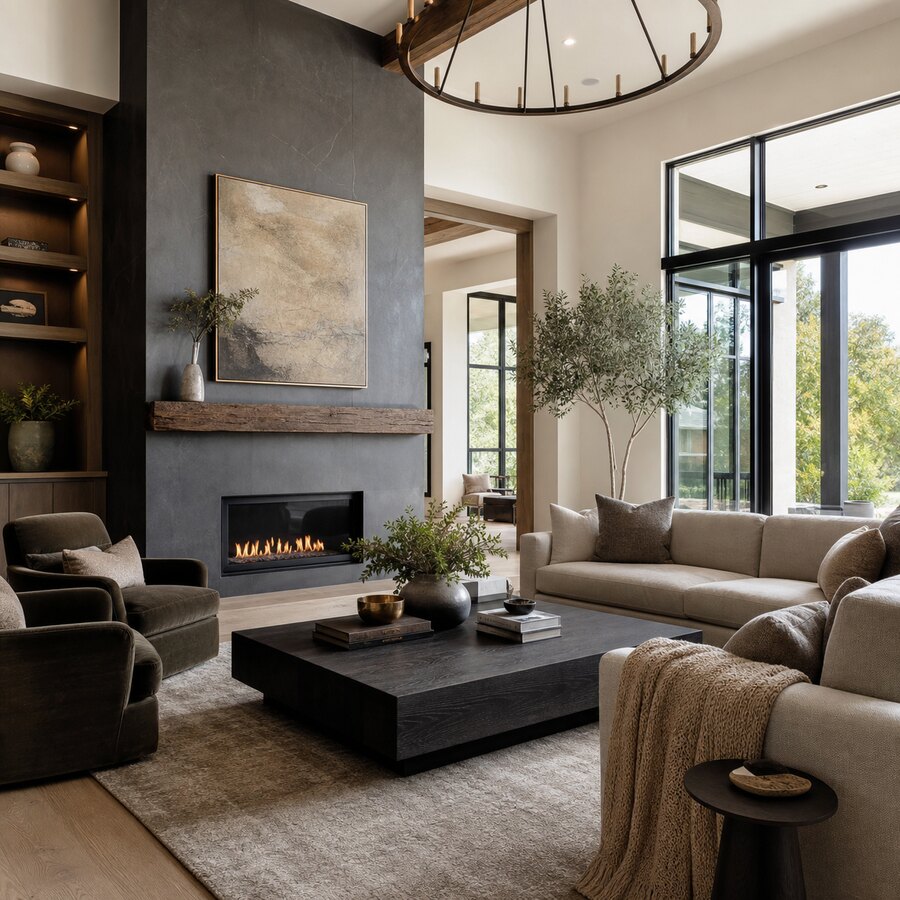
Why I Tried an AI Redesign in the First Place
Small living rooms in the UK often have a very specific kind of awkwardness. There may be a radiator under the window, a chimney breast, alcoves, a bay, a narrow doorway, a television that only fits on one wall, or a traffic route through to the kitchen. Even when the room is tidy, it can still feel crowded.
That is why I wanted to test AI on a normal living room rather than an unrealistic show-home space. The goal was not to create a mansion-style makeover. It was to see whether AI could take a typical compact room and suggest changes that someone could actually apply in a flat, terrace, semi-detached house or rental.
The brief was simple: make the room brighter, calmer and more spacious through decorating, furniture choices, storage and lighting rather than knocking down walls.
The Before: What Made the Room Feel Smaller?
The original room had the familiar small-space problem: nothing was disastrous, but the overall effect felt heavier than it needed to. The furniture felt a little too solid, the storage did not fully hide everyday clutter, and the lighting was doing too much work from too few sources.
Furniture That Looked Too Heavy
In a small living room, the sofa sets the tone. A deep sofa with wide arms can be comfortable, but it also eats visual space. The AI result moved towards a slimmer shape, lighter upholstery and raised legs, making more of the floor visible.
Storage That Did Not Feel Integrated
Compact rooms need storage, but not all storage helps. A mix of open shelves, side tables and loose baskets can look busy. The redesign suggested more closed storage around the media area and fewer small items on show.
Lighting That Felt Flat
Many UK living rooms rely on one ceiling pendant and a lamp in the corner. It is common, but it can make the centre of the room harsh and the edges gloomy. The AI image introduced a warmer, layered approach with a main light, a softer reading light and ambient light near the walls. It made the after image feel more inviting without changing the footprint.
The After: What the AI Changed
The AI redesign did not try to turn the room into something completely different. The strongest changes were believable: a warmer neutral palette, a better-sized rug, slimmer seating, neater storage and more intentional lighting.
The colour palette was one of the biggest improvements. Instead of too many competing tones, the after version used a quieter base with soft contrast. Warm whites, muted beige, natural wood and a few deeper accents work well in many UK homes.
The rug also made a difference. In small rooms, people often buy a rug that is too small, which can make the room look smaller. A larger rug under the front legs of the sofa and chair can define the seating area.
The before and after result also showed why it is useful to compare options visually. You can see more examples in the before and after gallery, where different rooms show how much the mood can shift without needing a full structural renovation.
What I Would Actually Copy From the AI Result
An AI image can look convincing, but the real skill is deciding which ideas deserve to leave the screen. Here is what I would copy from this redesign.
1. Use Slimmer, Lighter Furniture
I would start with furniture scale. A compact sofa with narrower arms, visible legs and a lighter fabric can make the room feel easier to move around. If replacing the sofa is not in the budget, try removing bulky side tables or choosing a slimmer coffee table.
2. Make Storage Look Built In, Even If It Is Not
The AI version looked calmer because the storage had a clear role. You do not need bespoke joinery to copy that idea. A low cabinet close to the wall colour, matching baskets or two identical units can make budget storage feel more intentional.
3. Layer the Lighting Before Buying More Decor
If the room feels dull, do not start by buying more cushions and ornaments. Start with light. A warm floor lamp, a small table lamp and dimmable bulbs can change the room more than another decorative object.
4. Keep the Palette Tight
The after image worked because it did not use too many ideas at once. For a real room, choose one wall colour, one main fabric colour, one wood tone and one accent colour.
What I Would Ignore or Double-Check
AI is not a surveyor, electrician or delivery driver. It may place furniture too close to a radiator, forget where sockets are, ignore the swing of a door or suggest a media unit that blocks access to plugs. It can also make furniture look real even when the exact item does not exist.
Before spending money, measure everything: room width, sofa depth, window height, radiator clearance, walkway space and the size of any furniture that has to fit through the front door or up stairs. In a small living room, 10cm can matter.
I would also split the AI ideas into three groups: free changes, low-cost changes and bigger purchases. Free changes might include moving a side table or reducing clutter. Low-cost changes might include cushions, paint samples or a second-hand sideboard. Bigger purchases might include a sofa, fitted storage or a larger rug.
How to Get Better AI Results From Your Own Photo
The quality of the input photo matters. Take your picture in daylight, stand in a corner if possible, and include the full width of the room. Show windows, doors, radiators, the sofa, the TV wall and any alcoves or awkward corners.
The prompt should also be specific. Instead of asking AI to “make it modern”, try something like this:
“Redesign this small UK living room to feel brighter, warmer and more spacious. Keep the main room layout realistic. Use slim furniture, closed storage, layered warm lighting, a practical rug size and affordable UK-style decor. Avoid major building work.”
If you want to test your own room, you can try the AI studio and compare a few directions before buying anything. The features page explains how the room visualisation workflow works, and the pricing page shows the current cost before you start experimenting.
Budget: What Could This Cost in the UK?
A light version of this makeover could be done for around £150 to £400 if you focus on paint, lamps, cushion covers, a throw and decluttering. A fuller refresh with a rug, media storage and a few furniture changes might sit closer to £700 to £2,000.
The useful thing about AI is that it helps you decide where the money should go first. In this case, I would prioritise lighting, storage and furniture scale before decorative extras.
My Verdict
The AI redesign was helpful because it made the room’s potential easier to see. It did not remove the need for measuring or budgeting, but it gave a clear direction: lighter furniture, calmer storage, warmer lighting and a more disciplined palette.
For a small UK living room, that is enough to be valuable. You do not always need a dramatic renovation to make a room feel better. Sometimes you need to see one convincing before and after, then translate the best ideas into changes that suit your actual home.
If you are unsure where to start, upload one clear photo and use AI as a planning step before you spend. A visual preview can help you avoid expensive guesses.
FAQ
Can AI redesign a small UK living room accurately?
AI can create a useful visual concept from a living room photo, especially for colour, layout, furniture style and lighting. It is not fully accurate for measurements, building details or product sourcing, so you should always check the idea against the real room.
What kind of photo should I upload?
Use a clear daylight photo taken from a corner of the room. Include the floor, windows, doors, main furniture, TV wall, radiators and any awkward features so the AI has enough context.
Is an AI living room redesign useful for renters?
Yes. Renters can use AI to test reversible changes such as rugs, lamps, curtains, freestanding storage, artwork and furniture layout. Check your tenancy agreement before painting or fixing anything to walls.
How much does a small living room refresh cost in the UK?
A simple refresh can start at around £150 to £400 for lighting, paint, textiles and small accessories. A fuller update with storage, a rug and some furniture changes may cost £700 to £2,000 or more.
Should I copy the AI after image exactly?
No. Use it as a direction rather than a shopping list. Copy the ideas that solve your real problems, then adapt them to your measurements, budget, household needs and existing furniture.