Small UK living room ideas work best when they solve layout first, then colour, storage, lighting, and the visual weight of furniture. In compact terraced houses, flats, and new-build homes, the biggest gains usually come from clearer circulation, lighter colour balance, multi-purpose storage, and furniture that fits the room rather than the showroom. AI makeover examples can help you compare options quickly before you commit to paint, flooring, or a new sofa.
- Start with the route through the room: doorway to sofa, sofa to window, and sofa to TV or focal wall.
- Use warm off-whites, muted greens, soft taupes, or gentle greys instead of stark white if the room faces north.
- Choose leggy, low-profile, or wall-mounted furniture to keep more floor visible.
- Keep storage shallow where possible; 25-35 cm deep units often suit UK sitting rooms better than bulky cabinets.
- Use AI visuals as a planning tool, then check measurements, sockets, radiators, and real daylight before buying.
Why Small UK Living Rooms Need A Different Approach
Many UK homes were not designed around today’s furniture sizes. A Victorian terrace may have a narrow front room with a bay window and chimney breast. A city flat may have one open-plan space for the sofa, dining table, desk, and TV. A new-build lounge may be neat and square, but still tight once you add a corner sofa, media unit, toy storage, and side tables.
The best small UK living room ideas therefore avoid one-size-fits-all styling. Instead of asking, “What looks good online?”, ask, “What makes this room easier to use every day?” A room that feels calm, open, and practical will usually look better too.
Start With The Layout, Not The Paint Chart
Before you pick colours, sketch the room’s fixed constraints: doors, windows, radiators, plug sockets, chimney breast, and alcoves. Then mark the natural walking route. If someone has to squeeze between the coffee table and sofa every time they enter, the layout is the problem.
1. The Straight Sofa Layout
A two or three-seat sofa against the longest practical wall is often the most reliable layout for a small UK lounge. It leaves a clearer route through the room and avoids the heavy footprint of a corner sofa. Pair it with a compact armchair, movable footstool, or narrow bench under a bay window.
This works especially well in terraced front rooms where the chimney breast creates two alcoves. The TV can sit in one alcove, shelving can fill the other, and the sofa can face the focal wall without blocking the door.
2. The Floating Sofa Layout
If your living room is part of an open-plan kitchen or dining space, try floating the sofa away from the wall. The back of the sofa becomes a soft divider between zones. Choose a sofa with a neat back, slim arms, and visible legs.
Leave enough space behind it for movement. In compact flats, 75-90 cm is comfortable for a walkway, while 60 cm can work if the route is not heavily used.
3. The Bay Window Layout
Bay windows are a gift when used well. Avoid pushing a large sofa deep into the bay if it blocks light and makes curtains awkward. Use the bay for a reading chair, low storage, plants, or a made-to-measure bench.
4. The No-Coffee-Table Layout
In a truly small room, a central coffee table can cause more trouble than it solves. Try nesting side tables, a slim C-table that tucks over the sofa, or a storage footstool on castors. You still get somewhere to place a drink, but the middle of the room stays flexible.
Colours That Make A Compact Room Feel Larger
Light colours can help a small living room feel bigger, but “paint everything bright white” is not always the answer. UK light changes by orientation. North-facing rooms can make pure white look cold. South-facing rooms can handle cooler colours. East-facing rooms may feel fresh in the morning and dull later.
Warm Neutrals For North-Facing Rooms
For a north-facing lounge, consider chalky off-white, stone, oat, warm greige, or pale mushroom. These shades keep the room light without making it feel clinical. Add texture through linen curtains, wool throws, woven baskets, or a natural rug.
Soft Greens And Blues For Calm
Muted sage, grey-green, soft blue, and dusty teal can work beautifully in small UK living rooms, especially with oak, walnut, brass, black picture frames, or cream upholstery.
One Deeper Accent, Used Carefully
A dark feature wall can work when it supports the layout. The best place is usually the TV wall, chimney breast, or shelving wall. One deeper shade, repeated in cushions or artwork, is usually enough.
AI Before/After Example: Compact Living Room Makeover
AI makeover images are useful because they let you compare layouts, colour palettes, and furniture weight before spending money. They should not replace real measurements, but they can quickly show whether a pale neutral scheme, built-in storage, or a different sofa shape suits the room.
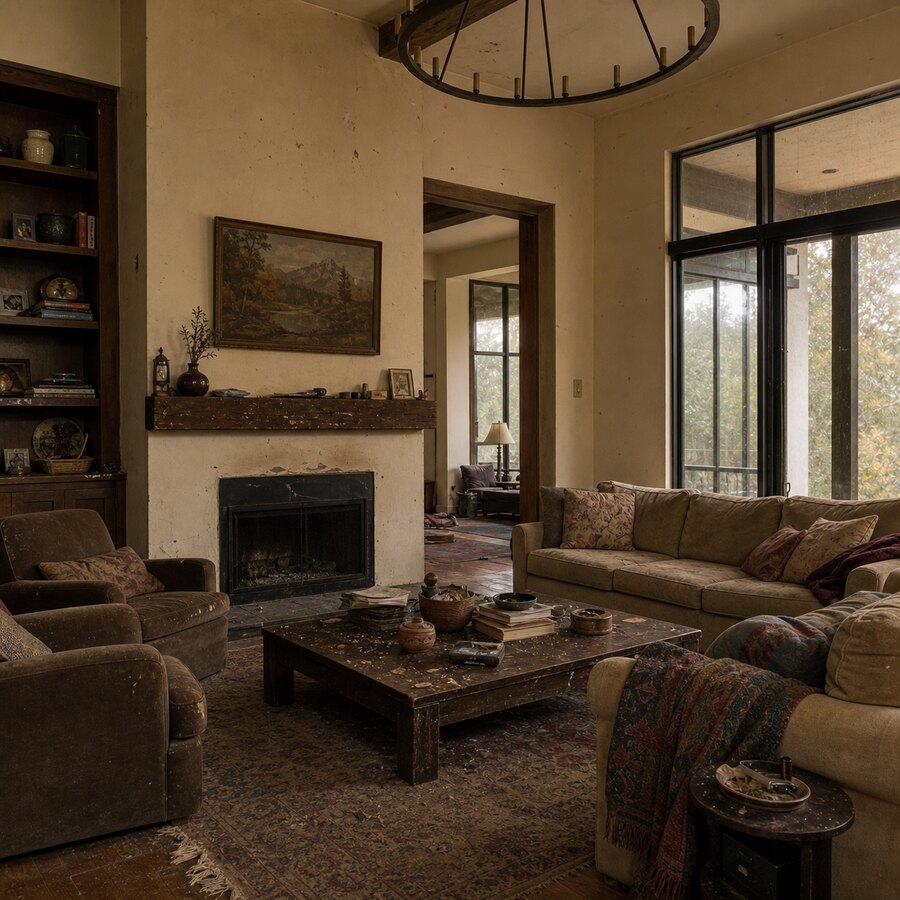
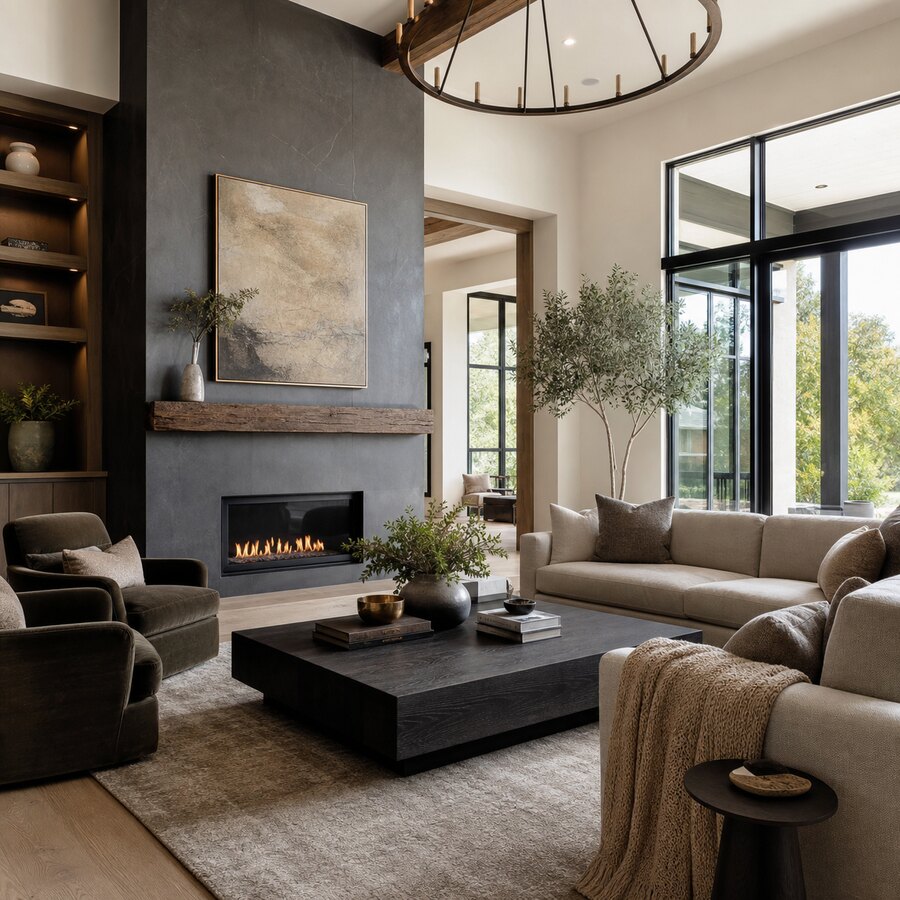
When reviewing an AI example, look beyond the surface style. Ask whether the proposed sofa would fit, whether radiators or sockets are blocked, whether the TV position creates glare, and whether the storage is deep enough. The visual is a starting point, not a shopping list.
Space-Saving Furniture Choices That Actually Help
Small-room furniture needs to earn its floor space. A compact sofa with slim arms can give almost the same seating width as a bulky sofa that takes up much more room. Raised legs show more floor, which makes the room feel lighter. A wall-mounted media unit frees up floor area.
For storage, shallow is often better than deep. Full-depth cupboards can dominate a narrow lounge, especially beside a chimney breast. Shallow alcove shelving, low cabinets, or a slim console behind the sofa may be enough for books, remotes, chargers, board games, and everyday clutter.
If you need a desk, avoid a permanent office look unless you work there every day. A wall-mounted folding desk, narrow writing table, or bureau-style unit can create a work zone that disappears visually in the evening.
Lighting Ideas For Small Living Rooms
A single ceiling pendant rarely flatters a small living room. It can make the centre bright and the corners gloomy. Use layered lighting instead: a ceiling light for general use, a floor lamp beside the sofa, a table lamp near a reading chair, and possibly LED strips inside shelving.
Wall lights are useful where floor space is tight. Plug-in wall lights can work if you do not want rewiring. Choose warm white bulbs, usually around 2700K, for a relaxed feel.
Storage And Clutter Control
Small rooms do not need to be minimalist, but they do need clear rules for clutter. Open shelves look good when they have breathing room. Mix closed storage for practical items with a few open shelves for books, ceramics, plants, and framed pictures.
In family homes, make storage easy to use. Baskets under a bench, a storage footstool, or low cupboards with doors are more realistic than a perfect display shelf.
How To Use AI To Plan Your Living Room
AI is most helpful when your brief is specific. Instead of asking for a “modern living room”, describe the room accurately: “small north-facing UK terrace living room with chimney breast, bay window, grey sofa, oak floor, radiator under window, needs toy storage and a TV”. The more constraints you include, the more useful the visual direction becomes.
You can try the AI studio with a photo of your own room, then compare a few routes: lighter and calmer, warmer and traditional, more built-in storage, or renter-friendly changes using paint, rugs, and movable furniture. The features page explains the main makeover options, and the pricing page shows the current cost before you start.
Common Mistakes To Avoid
The most common mistake is buying furniture before measuring the route through the room. A sofa may fit on paper but still make the room awkward if it blocks a door swing, radiator, or walking route. Use masking tape on the floor to test the footprint before ordering.
Another mistake is using too many small decorative items. Lots of tiny pieces can make a compact room feel visually noisy. Go for fewer, larger items: one good lamp, one substantial mirror, one larger artwork, one properly sized rug.
Key Takeaways
- Plan the layout around movement first, especially in narrow terraces and compact flats.
- Use colour according to the room’s daylight, not just what looks good in a paint chart.
- Choose slim, raised, wall-mounted, or multi-purpose furniture to protect floor space.
- Layer lighting so the corners of the room do not feel gloomy.
- Use AI makeover examples to compare options quickly, then confirm the practical details before buying.
FAQ
What is the best layout for a small UK living room?
The best layout is usually the one that keeps the main walking route clear. In many terraced homes, that means a straight sofa on the longest usable wall, storage in alcoves, and a movable footstool or side table instead of a large central coffee table.
What colours make a small living room look bigger?
Warm off-whites, pale taupes, soft greys, muted greens, and gentle blues can all make a small living room feel larger. The right choice depends on daylight: north-facing UK rooms often need warmer tones, while brighter rooms can handle cooler shades.
Is a corner sofa a bad idea in a small room?
Not always, but it needs careful measuring. A compact chaise sofa can work if it replaces both a sofa and an armchair. A bulky corner sofa can dominate the room, block movement, and make the layout less flexible.
How can I add storage without making the room feel smaller?
Use shallow storage, low cabinets, alcove shelving, wall-mounted media units, and furniture with hidden storage. Keep some storage closed so everyday clutter is out of sight, and leave open shelves partly empty so the room can breathe.
Can AI really help with living room design?
AI can help you visualise layout, colour, lighting, and furniture style before committing money. It is best used for ideas and comparison. You still need to check real measurements, radiator positions, sockets, windows, and budget.