
Short answer: AI redesign tools are best when you want fast, affordable room makeover ideas, visual inspiration, and a clearer brief before spending money. An interior designer is better when the room needs technical accuracy, bespoke sourcing, lighting plans, trade coordination, or a design that must work perfectly in real life.
For many UK homeowners, the smartest choice is using AI first to explore styles and layouts, then bringing in a designer when the budget, complexity, or risk of mistakes justifies expert help.
Key takeaways
- AI interior redesign tools are fast and low-cost, often producing visual ideas in seconds or minutes.
- Interior designers cost more, but they bring measurement, material knowledge, trade experience, and accountability.
- AI is strongest for early-stage inspiration, colour direction, furniture moodboards, and trying different styles.
- Designers are strongest for awkward rooms, renovations, custom joinery, lighting, procurement, and project management.
- A practical route is to try the AI studio first, save your best looks, then use them as a brief if you later hire a professional.
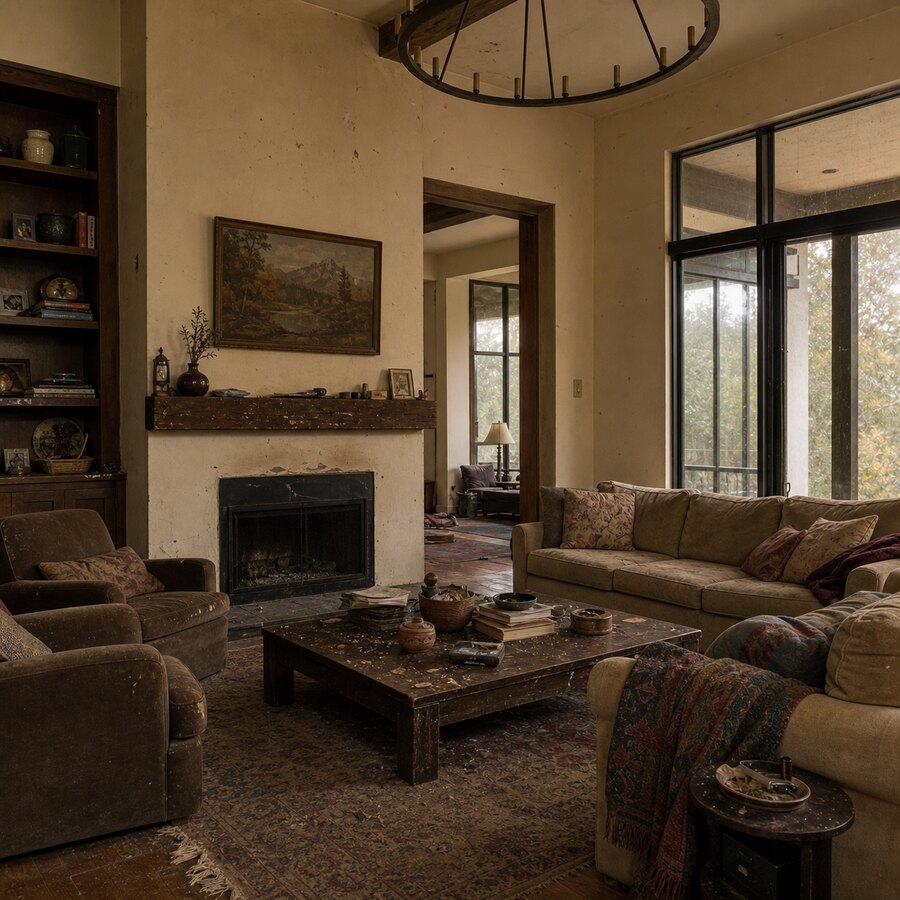
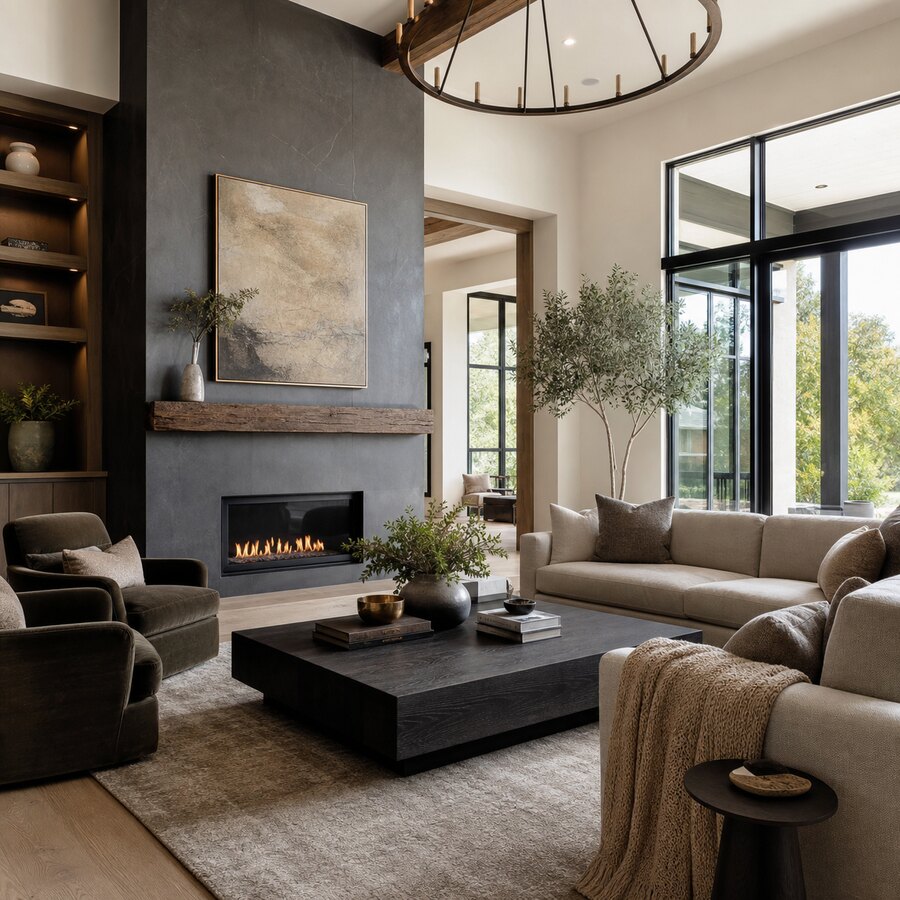
AI vs interior designer: what is the real difference?
An AI room makeover tool turns a photo of your room into design concepts. It can suggest new furniture styles, wall colours, decor, textures, flooring looks, and room atmospheres. It is usually image-led: you upload a photo, choose a style, and receive visual options.
An interior designer works from a wider brief. They may visit your home, measure the room, specify products, prepare layouts, coordinate trades, and adjust the design when reality gets in the way. A designer is not just creating a picture. They are helping you make decisions that need to survive budgets, building constraints, sockets, radiators, lighting, and family life.
That is the central distinction. AI gives speed and creative range. A designer gives judgement, feasibility, and responsibility.
Cost: AI is cheaper, but designers can prevent expensive mistakes
Cost is the most obvious reason homeowners compare AI vs interior designer services. AI design tools are usually inexpensive compared with professional design fees. Some charge per image, per room, or by subscription. Even paid tools are often closer to the price of a takeaway or a few sample pots than a traditional consultation.
Interior designer fees vary widely in the UK. A light consultation may be a few hundred pounds, while a full-room scheme, sourcing package, or renovation project can run into the thousands. On larger projects, designers may charge hourly, fixed-fee, percentage-based, or a mixture of design and procurement fees.
That does not automatically make AI the better-value option. If you are choosing a sofa colour or refreshing a rental living room, AI may be enough. If you are ordering made-to-measure cabinetry, moving lighting, buying expensive flooring, or coordinating builders, one bad decision can exceed the design fee.
Use AI when the financial risk is low
AI makes sense when you are making reversible choices: paint colours, decor style, artwork direction, rug size, soft furnishings, and furniture mood. It lets you test bolder ideas without buying anything first.
Use a designer when mistakes are costly
A designer becomes more valuable when mistakes are hard to undo: fitted wardrobes, kitchen layouts, bathroom schemes, lighting plans, structural changes, bespoke furniture, or multi-room renovations.
Speed: AI wins for instant ideas
Speed is where AI redesign tools are difficult to beat. You can photograph a room after work, generate several concepts, and compare them the same evening. This is especially useful if you are stuck between styles or need to explain your taste to a partner, landlord, builder, or family member.
A traditional designer works at a different pace. They need a brief, measurements, budget clarity, product research, and revisions. If your question is “What could this room become?”, AI can answer quickly. If your question is “Exactly what should I buy, where should it go, and will it fit?”, a designer is better equipped.
One useful approach is to generate ideas first, then shortlist two or three directions before speaking to a designer. That can make a professional consultation more efficient because you are not starting with a blank page.
Creativity: AI is broad, designers are selective
AI can produce a surprising range of looks: Japandi bedrooms, warm modern living rooms, cottage-style kitchens, boutique hotel bathrooms, minimalist offices, or colourful maximalist spaces. It is particularly good at breaking you out of a narrow Pinterest loop. You can ask for calmer, warmer, darker, brighter, more traditional, or more contemporary versions until something clicks.
The limitation is that AI can be visually confident without being practically wise. It may show a chair where there is no walking space, hide a radiator, invent windows, or suggest materials that are not suitable for a damp bathroom or busy hallway.
Designers tend to be more selective. A good designer does not simply show every attractive option. They edit. They consider your home, budget, maintenance tolerance, natural light, storage needs, and the way you actually live. That judgement is where much of the professional value sits.
Accuracy: this is the biggest weakness of AI room makeovers
AI images should be treated as concepts, not measured plans. They can be excellent for mood and direction, but they are not a substitute for a scaled floor plan, specification sheet, or site survey.
Common AI accuracy problems include changed proportions, invented architectural details, unrealistic furniture sizes, blocked doors, altered window shapes, missing sockets, and unsuitable materials. The output may be inspirational while still being technically wrong.
This matters in UK homes because many rooms are not simple rectangles. Victorian terraces, 1930s semis, converted lofts, narrow kitchens, chimney breasts, alcoves, bay windows, and awkward radiators all affect what will work.
If you are using AI, measure before you buy. Check furniture dimensions, door swings, plug positions, radiator clearances, delivery access, and finish suitability. For bathrooms, kitchens, electrics, structural changes, and building regulations, get qualified advice.
Best-fit use cases for AI interior redesign
AI is most useful when you need clarity before committing. It helps you see options, challenge assumptions, and decide what kind of room you want.
Good uses for AI
- Testing different wall colours before buying paint samples.
- Comparing modern, classic, Scandinavian, industrial, or cosy schemes.
- Refreshing a living room, bedroom, dining room, or home office on a modest budget.
- Creating a visual brief for a decorator, builder, or designer.
- Exploring ideas before a property sale or rental refresh.
If that sounds like your situation, you can try the AI studio and create a few room directions before buying furniture or booking a consultation.
Best-fit use cases for an interior designer
An interior designer is the stronger choice when your project needs more than visual inspiration. The more moving parts there are, the more valuable professional coordination becomes.
Good uses for a designer
- Full-room schemes with furniture, lighting, and product sourcing.
- Kitchens, bathrooms, extensions, and renovation projects.
- Rooms with awkward proportions or complicated storage needs.
- Custom joinery, fitted wardrobes, media walls, and built-in seating.
- High-value purchases where mistakes would be expensive.
- Projects involving trades, timelines, procurement, and installation.
If you are deciding whether to invest in professional help, look at the scale of the decision. A cushion scheme is low risk. A made-to-measure wall of cabinetry is not.
A practical decision framework for UK homeowners
Instead of asking whether AI or an interior designer is universally better, ask what stage your project is at.
Choose AI first if:
- You are early in the process and want ideas.
- Your budget is limited.
- You mainly need style direction rather than technical drawings.
- The changes are cosmetic and reversible.
- You want to compare several looks quickly.
Choose a designer first if:
- The room needs structural, electrical, plumbing, or fitted work.
- You are spending enough that mistakes would be painful.
- You need someone to source products and manage details.
- You struggle to make decisions and want expert editing.
- The space has unusual constraints that an image tool may misunderstand.
The hybrid option: AI for direction, designer for delivery
For many homeowners, the best result comes from combining both. AI can help you find the look. A designer can help you make it real.
Start with a few AI concepts. Save the ones that feel closest to your taste. Note what you like: warmer wood, lighter walls, hidden storage, better lighting, or a less cluttered layout. Then use those notes as a brief.
This can reduce wasted time in a design consultation. It can also help couples align before speaking to a professional because you can compare images and discuss what feels right.
You can also browse the before and after examples, review room ideas through the features page, and check the pricing before deciding whether AI is enough for your makeover.
Bottom line
If you need fast inspiration, AI is the easiest place to start. It is affordable, visual, and useful for exploring what your room could become. If you need accuracy, sourcing, trade coordination, or a design that must work down to the centimetre, an interior designer is worth considering.
The best answer to AI vs interior designer is often sequential: use AI to discover the direction, then use professional help when the project becomes complex, expensive, or technically sensitive.
FAQ
Can AI replace an interior designer?
AI can replace some early inspiration work, but it cannot fully replace an interior designer for measured layouts, technical details, sourcing, trade coordination, and project accountability. Treat AI as a concept tool rather than a complete design service.
Is AI interior design accurate?
AI interior design can be visually useful, but it is not always physically accurate. It may change proportions, invent features, or show furniture that would not fit. Always measure your room and check product dimensions before buying.
When should I pay for an interior designer?
Consider paying for a designer when the project involves expensive purchases, fitted furniture, lighting, kitchens, bathrooms, renovations, awkward layouts, or trades. Professional input is most valuable when mistakes would be costly or difficult to reverse.
Is AI good for small room makeovers?
Yes. AI can be very useful for small room makeovers because it helps you test colour, layout mood, storage ideas, and style direction quickly. Just be careful with scale, as small rooms need precise measurements.
How can I use AI and a designer together?
Use AI to create several visual directions, then show your favourites to a designer as part of the brief. This can make the professional process faster and clearer because your taste, dislikes, and priorities are easier to discuss.