
A good bedroom makeover before and after UK plan starts with the parts of the room that affect daily life: storage, light, bed position, and visual calm. In small UK homes, the biggest transformation often comes from making the room easier to move around, reducing visible clutter, choosing the right paint for the natural light, and previewing the style before buying furniture. AI-generated before and after previews can help you test ideas quickly, but the final plan should still respect real measurements, radiators, sockets, windows, and budget.
- Start with the bed position and walking space before choosing colours or furniture.
- Use fitted, shallow, or under-bed storage to reduce visible clutter in compact rooms.
- Pick paint based on the room’s daylight: north-facing bedrooms need warmer tones.
- Layer bedside, wardrobe, and soft ambient lighting instead of relying on one ceiling pendant.
- Use AI before/after previews to compare styles, then confirm sizes and practical details before spending.
Why Small UK Bedrooms Need A Practical Makeover Plan
Small bedrooms in UK homes often have awkward constraints: chimney breasts, sloping ceilings, bay windows, narrow alcoves, boxed-in pipework, radiators under windows, or doors that open into the best furniture wall. A makeover that looks impressive online can fail in real life if it ignores these details.
This is where a visual plan helps. A before photo reveals what is making the room feel cramped, while an after preview lets you test calmer colours, better furniture scale, and hidden storage before you commit to paint, flat-pack furniture, or a joiner.
Before And After Bedroom Example For A Compact Room
The best bedroom makeover before and after UK examples usually improve three things at once: floor space, light, and storage. In a compact terrace, flat, or new-build spare room, the “after” should not be packed with more furniture. It should make the room feel easier to use.
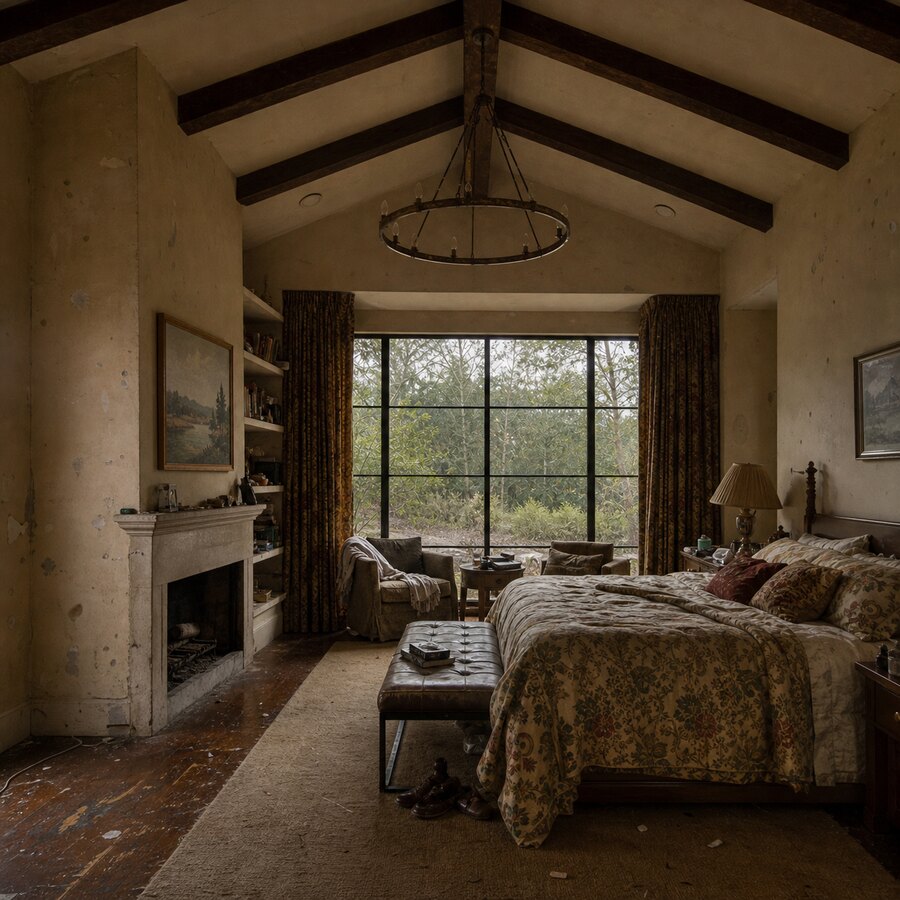
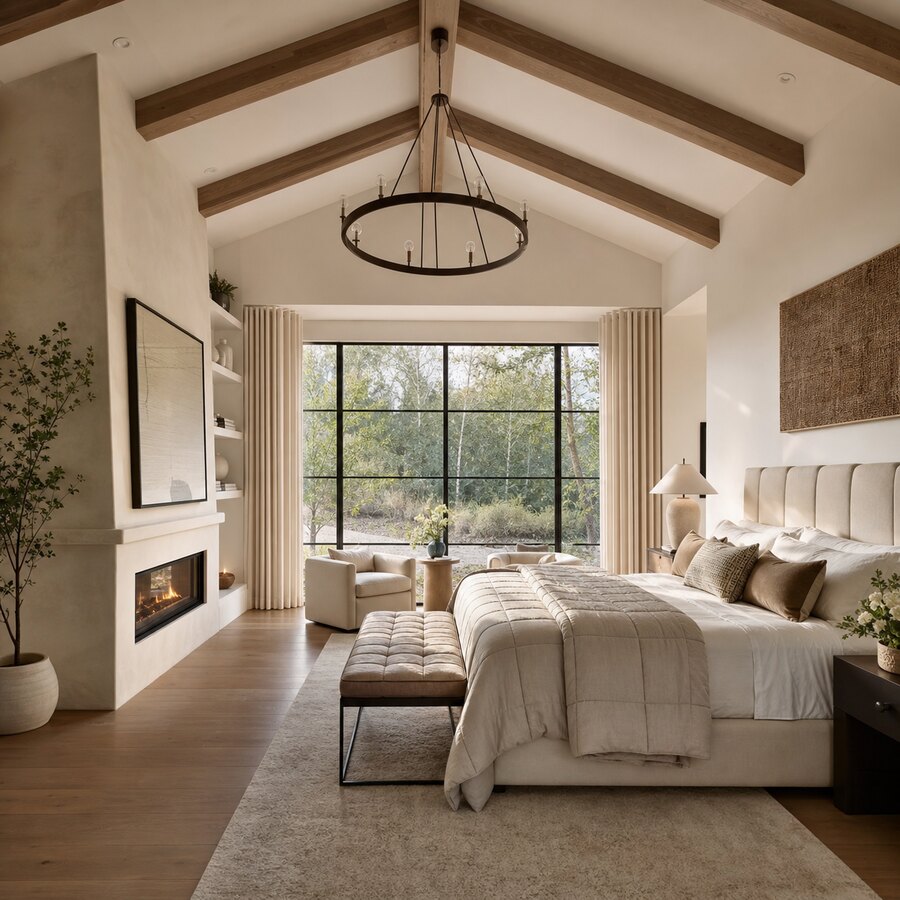
When you look at a before and after image, do not only judge the style. Ask what changed. Was the bed moved away from the door? Did the after image reduce visual clutter? Are wardrobes lighter, taller, or better integrated? Is the lighting softer? These are the changes that make a bedroom feel genuinely improved.
Start With Bed Placement
The bed is usually the largest item in the room, so it sets the whole layout. In a small double bedroom, aim for a clear route from the door to the bed and at least one comfortable side to stand on. If the room is shared, try to leave access on both sides, even if one side is narrower.
In many UK bedrooms, the most reliable layout is to place the headboard against the longest wall that is not broken by a radiator, window, or cupboard door. Avoid blocking heat, daylight, sockets, and wardrobe access. Also check the frame size: a bulky upholstered bed can add 10-20 cm to each side, while a simple divan, slim wooden frame, or storage bed may give the same sleeping space with less visual weight.
Storage Ideas That Change The Room
Storage is often the difference between a bedroom that looks calm for one day and a bedroom that works every week. In a small UK home, wardrobes, drawers, laundry, shoes, spare bedding, and seasonal clothes need a proper plan.
Use Vertical Storage
Tall wardrobes make better use of the wall than short, wide units. If your ceiling height allows it, take storage close to the ceiling and use the top shelf for low-use items such as spare duvets, suitcases, or winter clothes. This keeps the floor clearer and reduces the number of separate pieces of furniture.
Choose Sliding Or Curtain-Fronted Wardrobes In Tight Rooms
Hinged wardrobe doors need space to open. In a narrow bedroom, sliding doors can be more practical. In very small rooms, a neat curtain-fronted rail inside an alcove can be a low-cost solution, especially for renters who cannot install fitted furniture.
If you are comparing options visually, use the try the AI studio page with a clear bedroom photo and a specific brief such as “small UK bedroom with warm neutral paint, fitted storage, simple oak furniture, soft wall lights, and no structural changes”.
Paint Colours For Small UK Bedrooms
Paint can make a bedroom feel larger, but only when it works with the light. UK bedrooms are often used early in the morning and late at night, so colour should feel restful in both natural and artificial light.
North-Facing Bedrooms
North-facing rooms can make pure white feel cold or grey. Warmer choices usually work better: soft ivory, warm stone, pale oatmeal, gentle taupe, muted blush, or warm greige. These shades keep the room light without making it feel clinical.
South-facing rooms can handle cooler whites, soft greens, chalky blues, and pale greys because they receive stronger daylight. Darker colours can also work, but use them with intention: a deep green, navy, aubergine, or charcoal is often safest on the headboard wall, balanced with warm lamps and pale bedding.
Lighting: The Makeover Detail People Notice At Night
Many bedrooms have a single ceiling pendant and one bedside lamp. That is rarely enough. A small bedroom feels more finished when the lighting is layered, even if the budget is modest.
Use warm white bulbs around 2700K for a relaxed evening feel. Add bedside lamps or plug-in wall lights for reading. If wardrobes are dark inside, battery or rechargeable wardrobe lights can make the room easier to use without rewiring. A small table lamp on a chest of drawers can soften the corners and make the after result feel more considered.
Furniture Placement For Small Bedrooms
Furniture should support the way the room is used. If a chest of drawers blocks the wardrobe, or a bedside table stops an under-bed drawer opening, the makeover will frustrate you even if it photographs well.
Bedroom furniture sets often include pieces that are too bulky for UK box rooms or compact doubles. It is fine to mix finishes if the proportions are better. A slim bedside shelf, wall-mounted drawer, or narrow stool may work better than a standard bedside cabinet.
A mirror can make a small bedroom feel brighter, but only if it reflects something useful: daylight, a lamp, artwork, or a clear part of the room. Keep the floor as clear as possible with raised-leg furniture, wall-mounted shelves, fitted wardrobes, and neat under-bed storage.
Low-Cost Before And After Ideas
A bedroom makeover does not always need new flooring or fitted joinery. If the room is structurally sound, start with changes that give a strong visual return for a sensible budget.
- Paint the walls and woodwork in a calmer, more cohesive palette.
- Swap thin curtains for full-length curtains or a Roman blind that fits properly.
- Change harsh bulbs for warm white lamps and add a second light source.
- Replace bulky bedside tables with slimmer shelves or wall-mounted drawers.
- Add closed storage before adding decorative items.
For related compact-home planning, compare this bedroom approach with our small UK living room ideas and small kitchen renovation budget guide. The same principle applies: layout and function first, style second.
How AI-Generated Style Previews Help
AI previews are useful because they let you compare several directions before buying. You can test a warm neutral bedroom, a dark boutique-hotel look, a Japandi-inspired scheme, a cottage style, or a more modern fitted-storage layout using the same before photo.
The key is to brief the tool properly. Include the room type, UK context, light direction if you know it, existing features, and practical constraints. AI should not decide everything for you. Use it to shortlist ideas, then measure furniture, check delivery access, review sockets and radiator positions, and price the work. If you are deciding whether to use software or hire a professional, our AI vs interior designer guide explains where each option fits.
Key Takeaways
- A successful small-bedroom makeover starts with layout, not shopping.
- Storage should reduce daily clutter without making the room feel boxed in.
- Paint needs to suit UK daylight, especially in north-facing bedrooms.
- Layered lighting makes the after result feel calmer and more expensive.
- AI before/after previews are best used for testing ideas before committing money.
FAQ
What is the easiest way to transform a small bedroom?
The easiest transformation is to simplify the layout, repaint in a calmer colour, improve lighting, and add better closed storage. These changes usually make a small bedroom feel cleaner, brighter, and easier to use without requiring building work.
What colour makes a small bedroom look bigger?
Warm off-whites, pale taupes, soft greiges, muted greens, and gentle blues can all help a small bedroom feel bigger. The best choice depends on natural light. North-facing UK bedrooms usually need warmer tones, while brighter rooms can handle cooler shades.
Where should the bed go in a small UK bedroom?
The bed should usually go against the longest clear wall, with a practical route from the door and enough space to open wardrobes or drawers. Avoid blocking radiators, windows, sockets, and the main walking path if possible.
Are fitted wardrobes worth it in a small bedroom?
Fitted wardrobes can be worth it if they use awkward alcoves, reach close to the ceiling, and reduce the need for separate drawers or rails. They are less useful if they make the room feel narrow or block access to windows, radiators, or the bed.
Can AI show realistic bedroom before and after ideas?
AI can show useful style and layout directions from a real room photo, especially for paint, lighting, furniture mood, and storage ideas. Treat the result as a visual planning aid, then check measurements, costs, and practical constraints before buying.